From Collection to Recycling: The Skip Bin Waste Lifecycle
Ever wondered what happens to everything in your skip bin once it leaves your driveway?
It’s easy to think that once the bin is collected, that’s the end of the story. But there’s actually quite a bit that can happen after collection. Depending on what you’ve thrown out, your waste may be sorted, recycled, reused, processed or sent for disposal.
Understanding how this works can also help you make better choices when arranging skip bin hire options. Putting the right materials in the right bin can make sorting easier and give recyclable materials a better chance of being recovered.
So, what happens after your skip bin is collected? Let’s take a look.
1. Your Skip Bin Is Collected
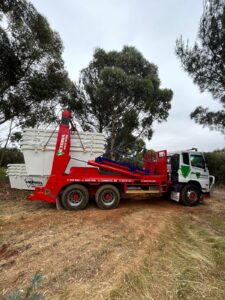
Once your project is finished or your skip bin is full, the bin is collected and taken away for processing or disposal.
Whether you’ve hired a bin for a home renovation, garden clean-up, construction work or a general clear-out, choosing the right skip bin size from the start can make things easier. You want enough room for your waste without paying for a much larger bin than you need.
And if you have a clean-up that can’t wait, same day skip bin hire can be an option when you need your waste taken care of quickly.
2. The Waste Goes to a Processing Facility
Once the bin leaves your property, its contents are taken to a waste processing or disposal facility.
What happens next depends largely on what’s in the bin. Household rubbish, garden waste, timber, concrete, bricks, soil and other construction materials can all have different handling and processing requirements.
This is where the contents of the bin can be assessed and separated based on what can be recovered, recycled or otherwise disposed of.
3. The Waste Is Sorted
Sorting is a big part of what happens after collection.
Depending on the type of waste and the facility handling it, materials may be separated using machinery, manual sorting or a combination of both.
Materials that may be recovered include:
- Concrete and bricks
- Timber
- Metal
- Cardboard and paper
- Certain plastics
- Green waste
- Soil and other reusable materials
The aim is to separate materials wherever possible, rather than treating everything as the same type of waste. That means some of the things you throw into a skip bin could have another use beyond the initial project they came from.
4. Recyclable Materials Are Recovered
Once materials have been sorted, those that can be recycled may be sent into the appropriate recycling or recovery streams.
For example, metal can be processed for reuse in manufacturing. Concrete and bricks may be crushed and processed for use as recycled aggregate or in other construction applications. Green waste may also be processed into products such as mulch or compost.
Exactly what happens depends on the material, its condition and the facilities available to process it.
This is also why it’s important to check what can and can’t go into your skip bin before you book. Keeping prohibited or unsuitable materials out of the bin helps prevent contamination and makes sorting more straightforward.
5. What Can't Be Recovered Is Disposed Of Responsibly
After recyclable and reusable materials have been separated, there may still be some waste that can’t currently be recovered.
This remaining material may be sent to an appropriately licensed disposal facility or landfill, depending on what it is and the applicable waste-management requirements.
Different types of waste can have different handling requirements, which is why some materials aren’t suitable for a standard skip bin at all.
If you’re unsure about something you’re planning to throw away, it’s always worth checking before you book your bin. It can save you from having to deal with unsuitable waste later.
Choosing the Right Skip Bin for Your Project
One of the simplest ways to make your clean-up easier is to start with the right skip bin size.
Too small, and you may end up needing another collection. Too large, and you may be paying for space you don’t really need.
Think about the type and amount of waste your project is likely to produce. A garage clean-out won’t necessarily need the same type or size of bin as a bathroom renovation. The same goes for a landscaping project compared with a larger construction job.
Not sure what you need? A skip bin provider can help you work out which option is likely to suit your project.
What Affects Skip Bin Hire Prices?
There isn’t one set price for every skip bin. Skip bin hire prices can vary depending on things such as the size of the bin, the type of waste you’re disposing of, how long you need it and where the bin needs to be delivered.
It’s also worth checking what is included in your quote and which materials are accepted before booking. That way, you have a clearer idea of what to expect and can avoid potential extra costs.
For Melbourne customers, getting a quote based on your actual project can make it easier to work out what type of skip bin will suit your clean-up.
A More Responsible Approach to Waste Removal
Hiring a skip bin is a convenient way to deal with waste from a home clean-up, renovation, garden project, business or construction job. But once the bin is collected, the waste can go through several different stages before its journey is over.
Some materials may be recycled. Others may be reused or processed into new products. And some waste will still need to be disposed of appropriately.
You can help make that process easier by choosing the right bin, checking what’s accepted and keeping prohibited materials out of your skip.
A little planning before the bin arrives can make a big difference to how smoothly your clean-up goes.
Need a Skip Bin in Melbourne?
Planning a home clean-out, renovation, landscaping project or larger job? Victoria Skip Bins can help you find a skip bin to suit the type and amount of waste you’re dealing with.
If you need a bin quickly, ask the team about same day skip bin hire options. Not sure what size you need? The team can help you work through your options and find a suitable skip bin size for your project.
Ready to get started? Request a quote or contact Victoria Skip Bins to discuss your project and arrange your skip bin.
For more information, visit Victoria Skip Bins.