Whether you’re clearing out your home, renovating a property, or managing waste on a construction site, choosing the right skip bin size can help you save both time and money. With so many skip bin sizes available, it’s important to select a bin that matches your waste disposal needs without overpaying for unnecessary space.
Why Skip Bin Size Matters
One of the most common mistakes people make when arranging skip bin hire is selecting a bin that’s either too small or too large. A bin that’s too small may require additional collections, increasing costs and causing delays. On the other hand, an oversized bin means paying for capacity you don’t actually need.
Understanding the type and volume of waste you need to dispose of is the first step toward making the right choice.
Common Skip Bin Sizes and Their Uses
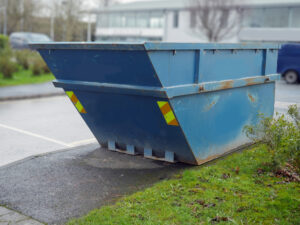
Small Skip Bins (2–4m³) – Ideal for Household Clean-Ups
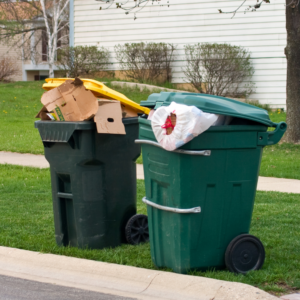
Small bins are ideal for minor household projects and garden clean-ups. These residential skip bins are perfect for disposing of:
- Garden waste
- Old furniture
- Household clutter
- Small renovation debris
If you’re decluttering a room or cleaning up your backyard, a small skip bin is often sufficient.
Medium Skip Bins (5–8m³) – Great for Renovations
Medium-sized bins are popular for larger home projects. They can accommodate:
- Kitchen or bathroom renovation waste
- Moderate amounts of construction debris
- Large household clean-outs
Many homeowners choose these residential skip bins because they provide a good balance between capacity and affordability.
Large Skip Bins (9m³+) – Suitable for Commercial Projects
Large bins are designed for heavy-duty projects and are commonly used as commercial skip bins. They are suitable for:
- Building and construction sites
- Office clean-outs
- Demolition projects
- Industrial waste disposal
Businesses often rely on commercial skip bins to manage large volumes of waste efficiently and maintain safe, organised worksites.
How to Estimate the Right Bin Size
Before booking your skip bin hire, consider the following questions:
- What type of waste are you disposing of?
- How much waste will be generated?
- Is the waste bulky or compact?
- Will your project expand beyond its initial scope?
If you’re unsure, it’s usually better to discuss your project with a skip bin provider. Their experience can help you avoid choosing a bin that’s too small.
Benefits of Choosing the Correct Skip Bin
Selecting the appropriate skip bin size offers several advantages:
- Saves money on unnecessary capacity
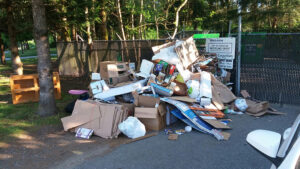
- Reduces the risk of overfilling
- Improves project efficiency
- Ensures compliance with waste disposal regulations
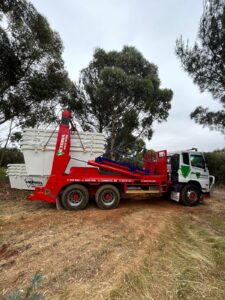
- Minimises the need for multiple collections
By understanding available skip bin sizes, you can make a more informed decision and keep your project running smoothly.
Tips for Choosing the Right Skip Bin
- Identify the type of waste your project will produce.
- Estimate how much rubbish you’ll need to dispose of.
- Choose between residential skip bins or commercial skip bins based on your project requirements.
- Check whether any weight limits or restricted materials apply.
- If you’re unsure about the size, speak with your skip bin hire provider before booking.
Choosing the right skip bin size doesn’t have to be complicated. With a little planning and the right advice, you can select a bin that suits your project and helps keep waste management simple and efficient.
Need Help Choosing the Right Skip Bin?
Victoria Skip Bins offers a wide range of skip bin hire solutions for residential and commercial projects. Our team can help you choose the right bin size based on the type and volume of waste your project is expected to generate. Contact Victoria Skip Bins today to discuss your requirements or request a quote.
Frequently Asked Questions
The right size depends on the type and volume of waste your project will generate. If you’re unsure, your skip bin provider can recommend a suitable option.
No. Skip bins have fill limits and weight restrictions that should be followed to allow safe transport.
Residential skip bins are commonly used for household clean-ups, renovations, and garden projects, while commercial skip bins are typically suited to construction sites, businesses, demolition work, and larger-scale waste disposal.
This depends on the type of skip bin you’ve hired and your provider’s waste disposal guidelines. Always check before loading the bin.